-
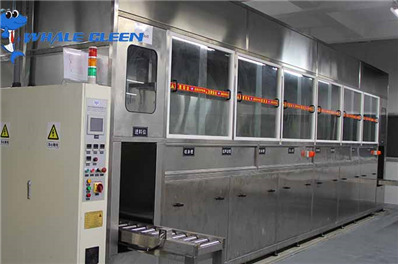 How to Reduce Ultrasonic Cleaner Noise: Effective Solutions and Practical Tips
Ultrasonic cleaners are widely used in industries, laboratories, and medical facilities for their efficient cleaning capabilities. However, the noise they produce (typically 65-85 dB) can be disruptive and even harmful with prolonged exposure. Understandi
-
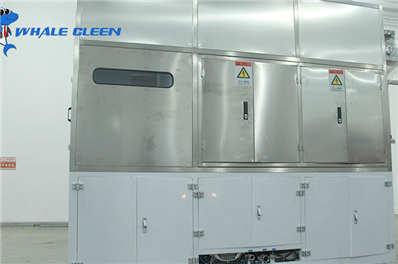 The Functions and Applications of Dual-Frequency Ultrasonic Cleaning Machines
Ultrasonic cleaning has long been recognized as an efficient and effective method for removing contaminants from various surfaces. With advancements in technology, dual-frequency ultrasonic cleaning machines have emerged as a powerful tool, offering enhan
-
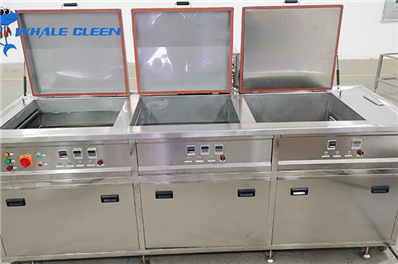 Choosing the Right Cleaning Powder for Ultrasonic Cleaners: A Comprehensive Guide
Ultrasonic cleaners are widely used across various industries for their ability to clean intricate and delicate objects effectively. The selection of cleaning powder or detergent plays a pivotal role in determining the efficiency of the cleaning process.
-
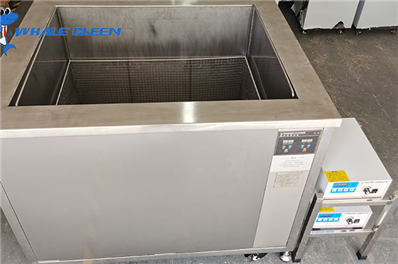 Innovative Applications of Ultrasonic Cleaners in the Biopharmaceutical Industry
Introduction Ultrasonic cleaning technology has seen significant advancements across a wide array of industries, and the biopharmaceutical sector is no exception. Known for its ability to provide high-efficiency, precision cleaning, ultrasonic cleaning
-
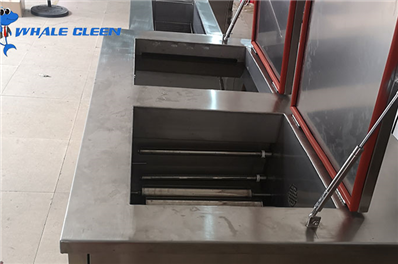 The Green Choice for Eco-Friendly Cleaning: Ultrasonic Cleaning Equipment
As environmental awareness continues to rise, the pollution issues associated with traditional cleaning methods have become increasingly concerning. Ultrasonic cleaning equipment, known for its high efficiency and eco-friendly nature, is gradually replaci
-
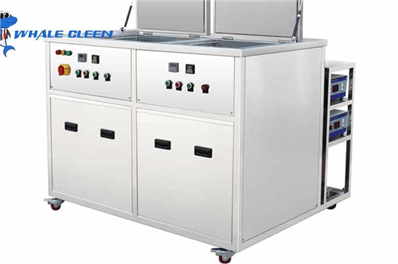 Stuck with Grinding Dust Embedded in Batch Workpiece Crevices? Manual Cleaning Is Draining Your Labor Budget and Driving Production Costs Through the Roof
Walk into any metalworking shop, stamping plant, or machining facility, and you will see the same scene repeated shift after shift: workers hunched over parts bins, scrubbing with brushes, picking at crevices with picks, blowing compressed air into blind
-
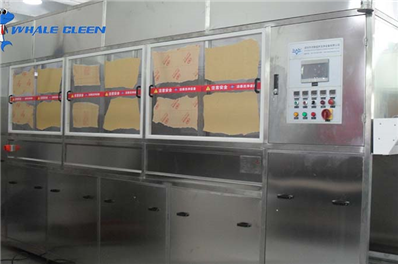 Ultrasonic Cleaning Machine: Solving the Batch Cleanliness Inconsistency Crisis in Aerospace Fastener Manufacturing
In aerospace manufacturing, a single contaminated fastener can compromise an entire assembly. Threaded surfaces trap machining oils, metal chips, and microscopic particulates that, if not completely removed, directly affect torque values, joint integrity,
-
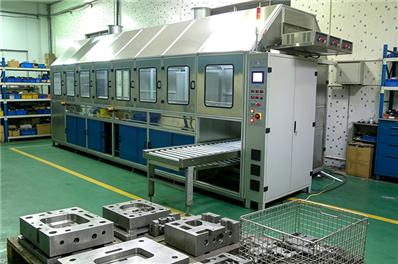 No Harsh Chemicals? How to Achieve Micron-Level Cleanliness for Nickel-Plated Substrates
You've dialed in the nickel plating bath chemistry. The temperature is right, the current density is optimized, and the dwell time is precisely controlled. Yet the plating still blisters. The cross-hatch test fails. The adhesion just isn't there.T
-
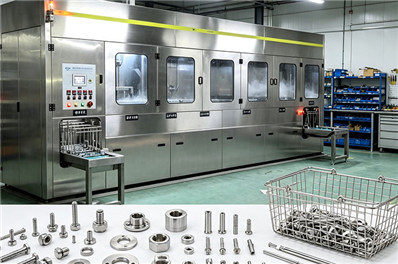 Breaking the Cleaning Bottleneck in Nickel and Gold Plating Lines with Whale cleen Ultrasonic Technology
In high-value surface finishing shops, nickel and gold plating lines demand the highest levels of surface cleanliness. A single fingerprint, a microscopic film of stamping oil, or a speck of polishing compound left on a component will manifest as blisteri
-
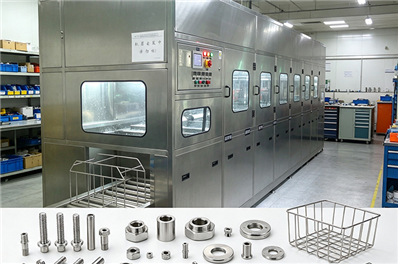 Ultrasonic Cleaning Machine: Why Disassemble Molds When You Can Clean Carbon Deposits in Minutes?
In industrial manufacturing, few maintenance tasks are as time-consuming and costly as mold cleaning. Production managers know the drill all too well: shutdown the line, wait for the mold to cool, disassemble every component, scrub stubborn carbon deposit
-
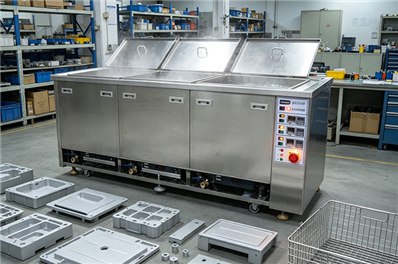 Ultrasonic Electrolytic Cleaning for Molds: Eliminate Gas Coke and Toner Residue That Causes Yellowing and Flow Marks
The Persistent Mold Contamination Problem In injection molding, the mold is the heart of production. But over time, even the best-maintained molds accumulate stubborn contaminants that no amount of wiping or solvent dipping can fully remove. Two of the
-
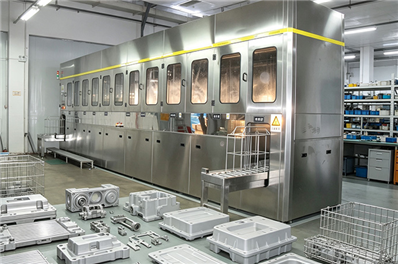 How Many Types of Electroplating Hardware Blanks Can One Ultrasonic Cleaning Machine Handle?
Walk into any hardware electroplating facility, and you will see a staggering variety of workpieces moving through the production line. Stamped brackets, machined housings, threaded fasteners, die-cast components, precision turned parts—each with its own